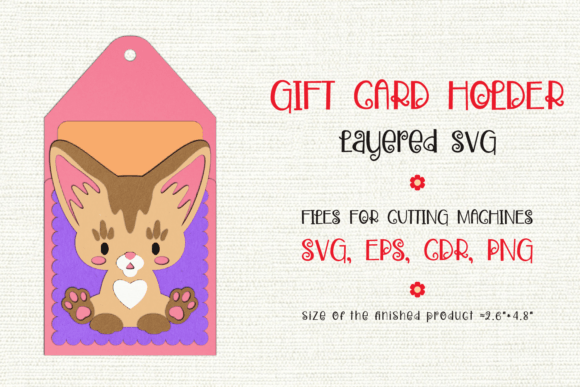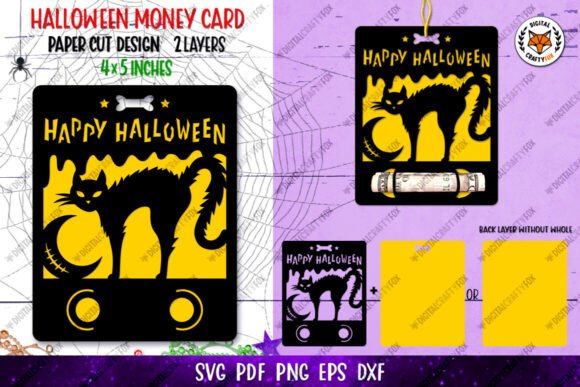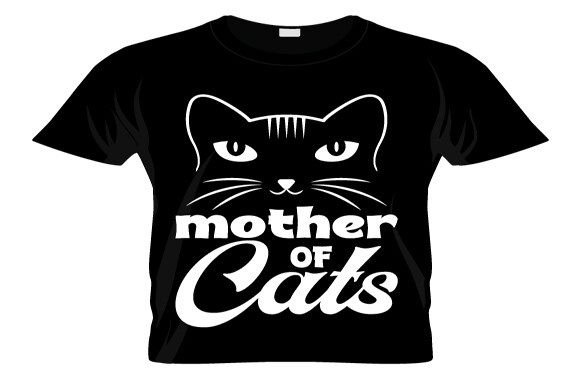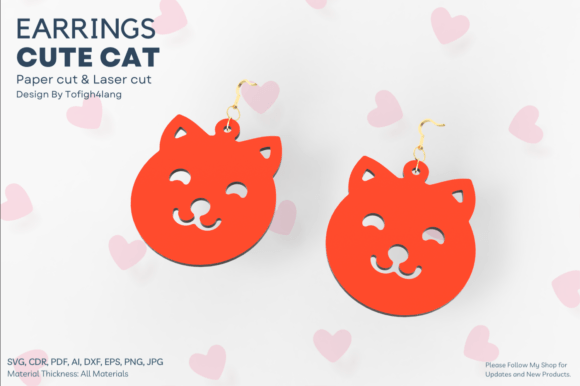
Cute Cat Card Laser Cut Design
First Impression: Sweet, Simple, and Surprisingly Versatile
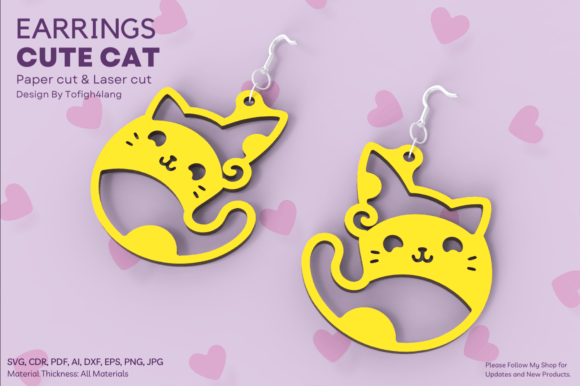
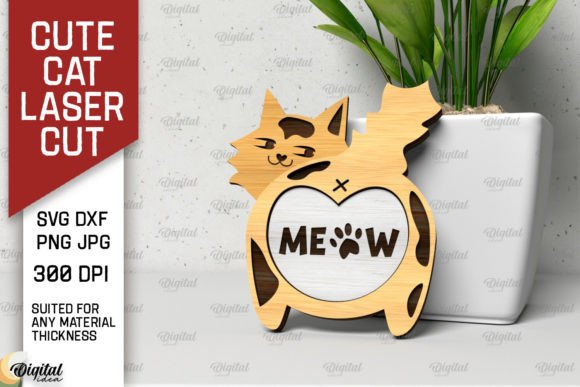
Opening the zip folder for Cute Cat Card Laser Cut Design, I immediately noticed how cleanly the outlines translate — not overly fussy, but full of personality. It’s got that gentle, hand-drawn charm without sacrificing precision: rounded ears, soft facial curves, a tiny tail curl, and just enough negative space to let fabric breathe. This isn’t a hyper-detailed portrait or a cartoon explosion — it’s a quiet, confident little cat silhouette with warmth and approachability baked in. As an embroidery designer who’s seen hundreds of “cute animal” files, this one lands differently: it feels intentional, not algorithmic. It reads as handmade *before* you even stitch it.
A Real-World Test: Embroidering It on a Linen Kitchen Towel
Last week, I used Cute Cat Card Laser Cut Design as the centerpiece for a set of linen tea towels destined for a local boutique’s Mother’s Day collection. Why linen? Because it’s unforgiving — no stretch, subtle texture, and zero tolerance for sloppy digitizing. I paired it with a medium-weight cutaway stabilizer and 40-weight cotton thread in warm gray and cream. The result? Crisp edges, smooth satin-stitched contours, and zero puckering. Customers loved how the design didn’t shout — it whispered “thoughtful,” “crafted,” “just right.” That’s the real strength of this file: it elevates simple items without overwhelming them. It works equally well on a baby onesie (scaled down), a denim tote bag (with light tear-away backing), or a structured cotton apron pocket.
Where It Shines — And Where It Needs Thought
Cute Cat Card Laser Cut Design excels in projects where clarity, charm, and clean execution matter more than complexity:
- Personalized gifts: Perfect for monogrammed baby blankets, embroidered pillow covers with names stitched beneath the cat, or holiday ornaments with seasonal thread accents.
- Small business merchandise: Ideal for Etsy sellers offering minimalist embroidered sweatshirts, boutique-branded tea towels, or craft-fair patches — especially when paired with soft color palettes and natural fabrics.
- Digital product previews: Renders beautifully in printable mockups for social media or digital listings; its balanced proportions scale well across thumbnail and full-size views.
- Commercial embroidery: Holds up reliably across mid-density fill stitches and satin borders — no micro-details that vanish at 3x size or collapse under dense stitching.
But here’s what I watched closely — and what you should too:
- Hoop size & detail fidelity: The ears and tail tip are delicate. On hoops smaller than 4×4 inches, test first. Tiny corners can distort if tension isn’t dialed in.
- Fabric texture matters: Works beautifully on smooth cotton, linen, and mid-weight denim. On heavily textured canvas or bouclé, consider simplifying the outline or adding a subtle running-stitch border for definition.
- Dark vs. light backgrounds: Looks warm and inviting on oatmeal or navy — but avoid ultra-dark threads on black fabric unless you add a subtle white underlay. Always check contrast in grayscale mockups.
- Stretchy or thin fabrics: Not ideal for lightweight knits or jersey without heavy stabilizing. Stick to stable wovens for best results — think totes, tea towels, aprons, not t-shirts.
- Curved surfaces: Caps and curved pockets require careful placement. The shape flows naturally on flat or gently contoured areas — avoid steep curves near the cat’s chin or tail base.
Design Judgment: How It Shapes Perception
As a designer reviewing Cute Cat Card Laser Cut Design for real use, I pay attention not just to stitch count or file format — but to how the finished product makes people *feel*. This design quietly builds trust. Its simplicity reads as confident craftsmanship, not cost-cutting. When customers see it on a handmade tote or baby blanket, they don’t think “generic clipart” — they think “someone chose this *for me*.” That emotional resonance is gold for Etsy sellers, small shop owners, and craft businesses building repeat buyers.
It also supports brand consistency without demanding rigid rules. You can use it with earthy thread palettes for a rustic kitchen line, pastels for baby collections, or monochrome grays for modern apparel — all while keeping your visual voice intact. And because it avoids trendy exaggeration (no glitter effects, no exaggerated eyes), it stays fresh season after season.
Practical Notes Every Embroidery Designer Should Run Through
Before committing Cute Cat Card Laser Cut Design to a client project or production run, do these six things:
- Test on scrap fabric — same type, same stabilizer, same thread colors you’ll use.
- Check stitch density in your embroidery software. If fill areas feel overly heavy or sparse, adjust density by ±5% before hooping.
- Confirm hoop compatibility. The description doesn’t list exact dimensions — verify your machine’s native hoop sizes match the design’s footprint.
- Inspect small details at 200% zoom: look for stray nodes, overlapping paths, or unconnected lines that could cause jump stitches.
- Mock it up in black and white — this reveals contrast issues faster than color previews ever will.
- Review licensing terms — since this is a digital embroidery file, confirm whether commercial use (e.g., selling finished embroidered products or reselling as part of a kit) is permitted. When in doubt, contact the creator directly.
Final Thought: A Thoughtful Tool, Not Just a Trend
Cute Cat Card Laser Cut Design won’t replace your go-to floral motif or signature script — and it’s not meant to. What it does offer is reliable, heartfelt utility: a design that fits seamlessly into thoughtful handmade work, scales gracefully across product types, and carries warmth without cliché. Whether you’re stitching for joy, launching a craft business, or fulfilling custom orders, this is the kind of file that earns repeat use — not because it’s flashy, but because it’s *right*. Keep it in your working library. Use it with intention. And always — always — test first.