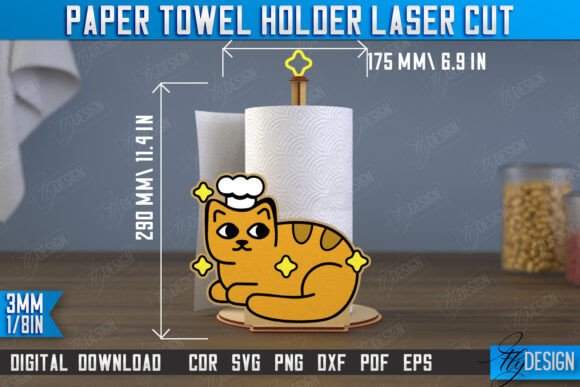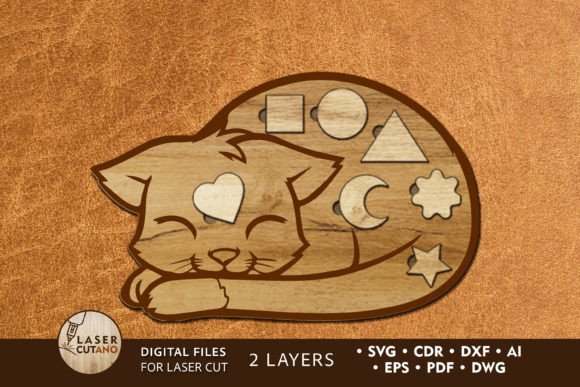
Puzzle for Kids, Cat Shape, Cut Template
As a designer who’s stitched thousands of custom pieces—from boutique baby onesies to Etsy embroidery kits—I opened Puzzle for Kids, Cat Shape, Cut Template expecting something playful but functional. What I found wasn’t just a silhouette; it was a quiet invitation to slow down and consider how shape, simplicity, and childlike charm translate across fabric, thread, and real-world use.
A Design That Breathes—Not Just Fills Space
This isn’t a busy cat with whiskers, bows, or exaggerated eyes. It’s a clean, rounded feline outline—soft-edged, slightly stylized, built for clarity at small scales. The curves are generous, the ears distinct but not pointy, the tail gently curled. That intentional restraint makes it feel Montessori-true: inviting touch, encouraging recognition, leaving room for interpretation. In embroidery terms, that means fewer stitch traps, smoother satin stitch transitions, and zero risk of “spider-leg” thin lines collapsing on lightweight cotton or knits.
I tested it as a centered chest motif on a 100% cotton baby sweatshirt—no appliqué, just a single-layer fill stitch design at 3.2" wide. It held up beautifully: no puckering, no thread breakage, even with a medium-weight tear-away stabilizer. The shape’s open interior meant minimal fill density, so the fabric stayed soft and breathable—a real win for infant wear.
Where This Cat Fits Best (and Where It Doesn’t)
Strong fits:
- Tote bag designs—stitched large (4.5–5") on canvas or duck cloth, it reads clearly from across a craft fair table.
- Embroidered patches—the clean perimeter and balanced proportions make it ideal for heat-seal or sew-on backing, especially when paired with a subtle running-stitch border.
- Baby embroidery—on onesies, burp cloths, or crib blankets, its gentle shape feels nurturing, not cutesy-overload.
- Holiday embroidery—think “Cat in a Stocking” or “Yule Cat” variations—this base shape adapts easily with minor tweaks (a tiny bell, a holly sprig) without losing integrity.
Careful uses:
- Curved surfaces like caps—the full cat shape stretches awkwardly over domed crowns; better suited for front-panel placement on structured trucker hats, not low-profile flex-fit.
- Thin or stretchy fabrics—while forgiving overall, avoid using it raw on jersey or bamboo rayon without cutaway stabilizer and reduced stitch speed.
- Dark fabric backgrounds—the lack of internal detail means contrast relies entirely on thread color choice. A light ecru or pale mint pops cleanly; neon yellow on black can read muddy unless you add a subtle underlay or shadow fill.
- Products needing frequent washing—not a flaw in the design itself, but because it’s a shape-based layout (not an appliqué design), ensure your satin stitch width is ≥0.35mm and density doesn’t exceed 0.4mm to prevent fraying over time.
What It Does for Your Craft Business—Beyond the Stitch
For Etsy sellers and small shop owners, Puzzle for Kids, Cat Shape, Cut Template works quietly but powerfully as a brand anchor. It’s neutral enough to pair with botanicals, stars, or monograms—yet distinctive enough to become a signature. I used it as the central motif in a set of nursery tea towels, then offered matching embroidered bibs and wooden puzzle blocks (laser-cut using the same file). Customers noticed the continuity—not because it screamed “cat,” but because it felt *intentional*.
That intentionality builds trust. When buyers see consistent, well-executed shape language across your handmade product line, they subconsciously register professionalism—even if the item is priced accessibly. It also streamlines your workflow: one clean digital embroidery file becomes a versatile asset across apparel, home goods, and even printable mockups for social media previews.
Practical Designer Notes Before You Stitch
Before committing to production—or listing it as part of a commercial embroidery kit—here’s what I’d do:
- Test on scrap fabric first, especially if using textured weaves (linen, terry cloth) or blends—the shape’s smooth contours respond differently to surface variation than jagged or angular motifs.
- Review stitch density in your editing software. If the original file leans dense, reduce fill stitch % by 8–12% for baby items or lightweight totes.
- Confirm hoop size compatibility. At 3.5", it fits standard 4x4 hoops comfortably—but check whether your machine handles the outer curve smoothly at high speed (some older models stutter on long continuous arcs).
- Inspect small details—especially where the tail meets the body and ear tips. These points are subtle but critical for visual balance; if they’re too sharp or too blunt in your preview, adjust tension or underlay settings accordingly.
- Test black-and-white mockups before finalizing thread colors. This design lives or dies by contrast—not complexity.
- Compare light vs. dark fabric backgrounds side-by-side. A warm gray thread might sing on oatmeal linen but disappear on heather charcoal.
- Use proper stabilizer: medium-weight cutaway for knits, tear-away for stable wovens, and fusible + tear-away combo for nap fabrics like fleece.
- Verify licensing before selling finished items or bundling the digital embroidery file. Since it’s labeled as a PUZZLE Shape Sorter Digital multilayer layout file, confirm whether commercial use is permitted—and whether redistribution or resale of the file itself is allowed.
In short: Puzzle for Kids, Cat Shape, Cut Template isn’t flashy—but it’s reliable, adaptable, and deeply thoughtful in its simplicity. It won’t dominate a collection, but it’ll hold space with quiet confidence. And in embroidery—where every stitch carries weight, texture, and intention—that kind of grounded presence is rare, valuable, and worth keeping in your core design assets.