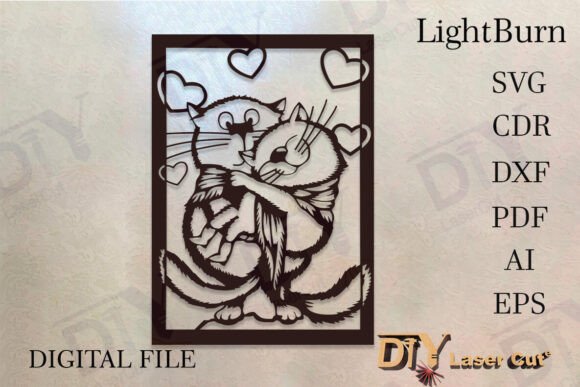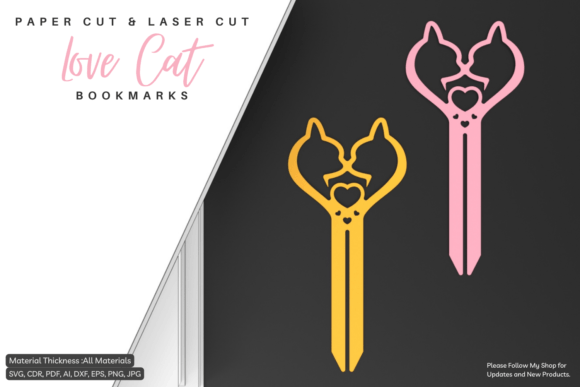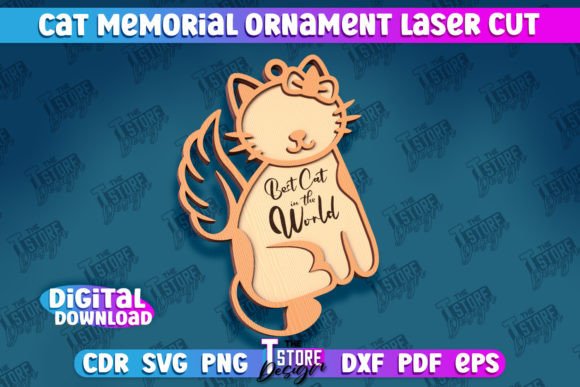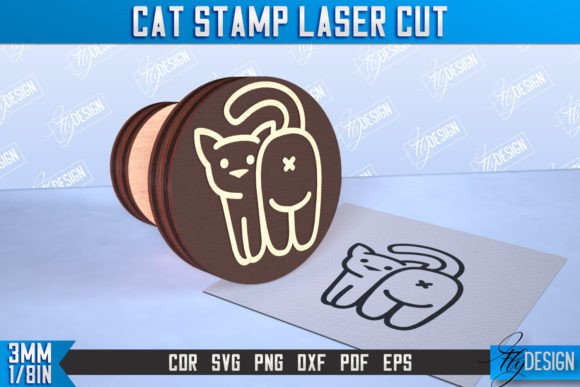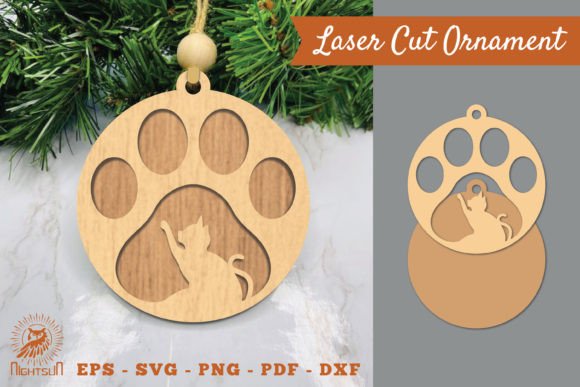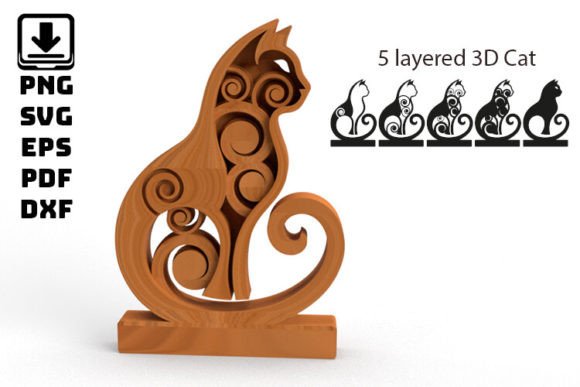
3D Cat Decoration - Layered Decoration
A Designer’s First Glance: Whimsy with Structural Intent
Opening 3D Cat Decoration - Layered Decoration feels like unboxing a cleverly folded origami cat—playful, dimensional, and quietly intentional. It’s not just a silhouette; the layering suggests depth, shadow, and subtle volume, even before stitching begins. As an embroidery designer who’s stitched hundreds of feline motifs—from minimalist line-art cats to ultra-detailed portrait pieces—I immediately sense this design leans into charm over realism. Its rounded ears, softly tapered tail, and gently arched back evoke warmth and approachability—ideal for handmade products meant to delight rather than impress with technical rigor.
Where This Design Truly Lives: Real Projects, Real Reactions
Last week, I prepped a custom embroidered tote bag for a local nursery boutique—soft organic cotton, medium-weight, light sage background. I chose 3D Cat Decoration - Layered Decoration as the centerpiece, planning to pair it with a small “Meow & Co.” script beneath. After digitizing the layers for embroidery (yes—it’s a digital file, but requires thoughtful translation from vector to stitch), the result landed perfectly: friendly, legible at 4.5" wide, and tactile without overwhelming the fabric. Customers paused at the display—not because it shouted, but because it invited touch and recognition. That’s the quiet power of this design: it reads clearly on apparel, patches, and home goods without needing explanation.
It shines strongest in contexts where personality matters more than precision: baby onesies (paired with gentle stabilizer and low-density fill stitches), linen tea towels (where satin-stitched ears catch light beautifully), or embroidered pillow covers for a cozy reading nook. For Etsy sellers, it’s a natural fit for seasonal listings—think “Adopted Cat Holiday Ornament Kit” or “Personalized Cat Lover Sweatshirt Bundle.” The layered structure also lends itself well to appliqué design workflows, letting crafters mix fabric textures (velvet ears, denim body) while keeping the machine embroidery clean and controlled.
Where to Pause—and Why
This isn’t a one-size-fits-all machine embroidery design. On stretchy fabrics like jersey sweatshirts, the outer contours hold up well—but avoid placing it across high-movement seams (shoulders, side seams) without testing. The layered edges rely on crisp stitch definition, so dense knit weaves or heavily napped fleece can blur fine transitions between sections. On dark fabric, check thread color contrast early: light gray or cream satin stitch on charcoal cotton reads warmly, but pale yellow may disappear unless backed with white underlay.
Small hoop sizes (under 4") demand caution. While the base shape fits, some interior details—like the subtle curve separating ear layers—can compress or lose clarity below 3.2". And on curved surfaces like caps? Test placement first. The design’s balanced weight works best centered on flat or gently contoured areas—not steep crowns or tight visors. Also note: it’s not built for micro-detail lovers. There’s no tiny whisker running stitch or eyelash fill. That’s intentional—and honestly refreshing. It prioritizes charm and stitch reliability over fragile embellishment.
How It Shapes Perception—and Sales
Customers don’t buy stitches—they buy feeling. 3D Cat Decoration - Layered Decoration delivers immediate emotional resonance: nostalgic, sweet, slightly mischievous. That translates directly to perceived value. A $28 embroidered apron with this motif feels more considered—and more gift-worthy—than one with a generic clipart cat. For small shop owners, that lifts average order value. For craft fair vendors, it sparks conversation (“Is that your cat?” “Do you do custom names?”). And for commercial embroidery shops, it’s a reliable repeatable asset—clean file structure, consistent spacing, minimal jump stitches when digitized properly.
That said, it doesn’t mask poor execution. If stabilizer is skipped or thread tension off, the layered illusion collapses into a muddy blob. So while the design supports professionalism, it doesn’t replace foundational technique. It rewards care—and reflects it back to the buyer.
Practical Notes Every Embroiderer Should Run Through
- Test first—always—on scrap fabric matching your final project’s weight and texture.
- Review stitch density before scaling: higher density adds dimension but increases wear on thin fabrics.
- Confirm hoop size compatibility; the full layout needs room to breathe—don’t force it into a cramped frame.
- Inspect small details at actual stitch-out size: those ear contours should remain distinct, not fused.
- Mock it up in black and white to assess contrast and balance before committing thread.
- Compare light vs. dark backgrounds—not just for visibility, but for mood shift (e.g., navy + gold reads luxe; ivory + mint reads gentle).
- Use appropriate stabilizer: cutaway for knits, tear-away for stable wovens, fusible for lightweight linens.
- Verify licensing before selling finished items or bundling as part of a digital product—this is a digital embroidery file, and usage rights matter for Etsy sellers and craft businesses.
Final Thought: Not Just Another Cat—A Thoughtful Tool
3D Cat Decoration - Layered Decoration won’t replace your go-to portrait cat for gallery wall pieces—but it might become your secret weapon for joyful, sellable, everyday handmade products. It’s designed with makers in mind: flexible enough for laser cutting on wood or metal ornaments, yet structured enough to translate cleanly into satin and fill stitch. Whether you’re stitching baby embroidery for a newborn announcement, building a line of holiday embroidery kits, or sourcing dependable design assets for your craft business, this one earns its place—not through flash, but through quiet, stitch-savvy reliability.